Fuelwood continues to be the primary cooking fuel in Nepal, followed by imported liquefied petroleum gas (LPG). Nearly 73.5% of the households depend on fuelwood for cooking, and only 26.3% of households were using LPG. Nepal has 42 GW, technically and economically viable, hydro generation potential. Affordable and uninterrupted access to grid electricity, for a significant part of the day, is available to 71.7% of households, making it an ideal country to explore the viability of electric cooking adoption. A study in 2019 reported that both men and women in Nepal highlighted the electric rice cooker’s positive impacts.
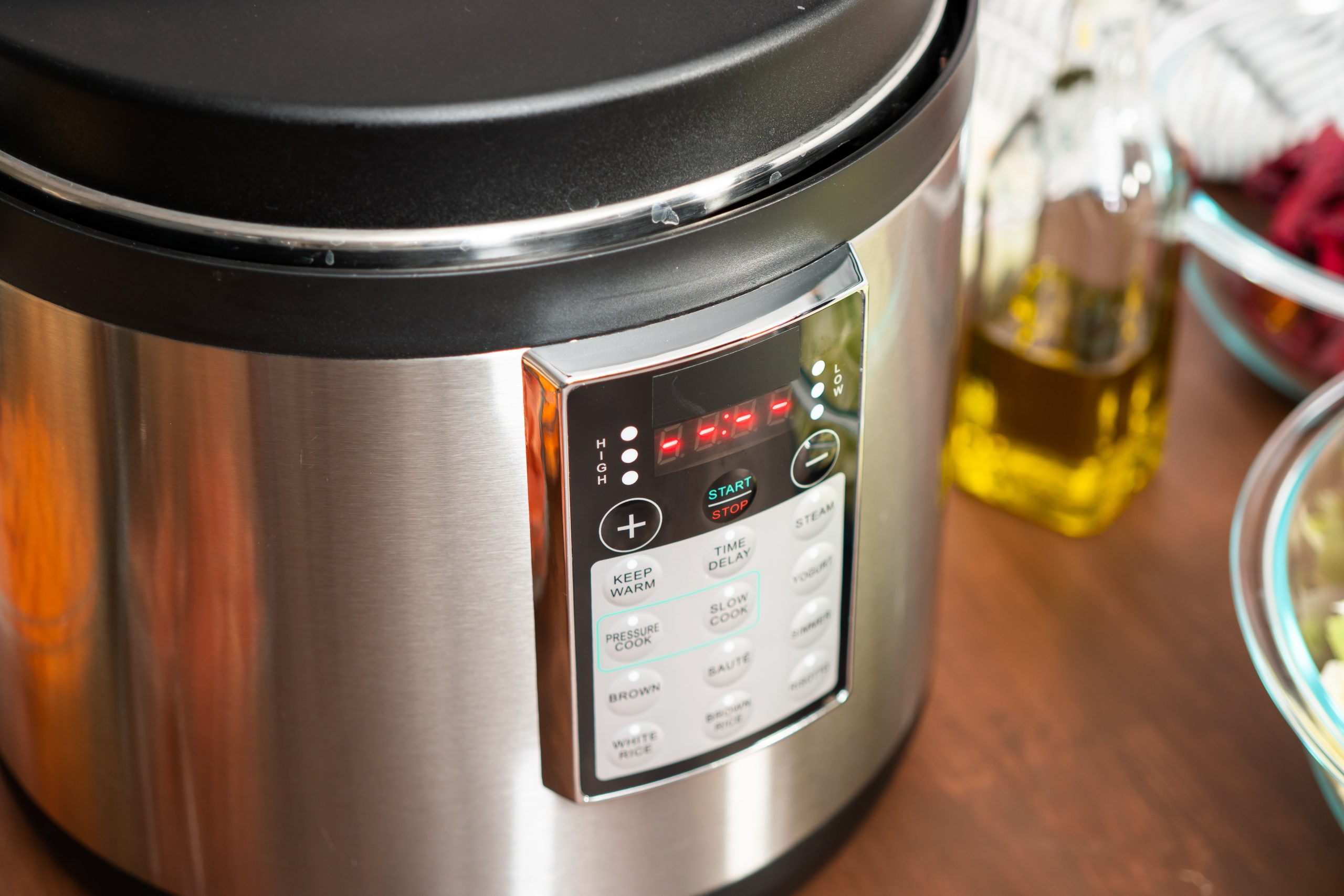
A multi-disciplinary consortium consisting of Indian and Nepalese non-government organisations (IRADe and WACN) proposes this community-scale pilot study to examine the socio-economic and cultural acceptability and financial viability of Electric Pressure Cooker (EPC) adoption in Nepal. The study aims to accelerate the uptake of EPC in Nepal and has identified the following broad objectives: